What Is Sales Force Automation (SFA)? CRM, Features, and Implementation
Shusaku Yosa
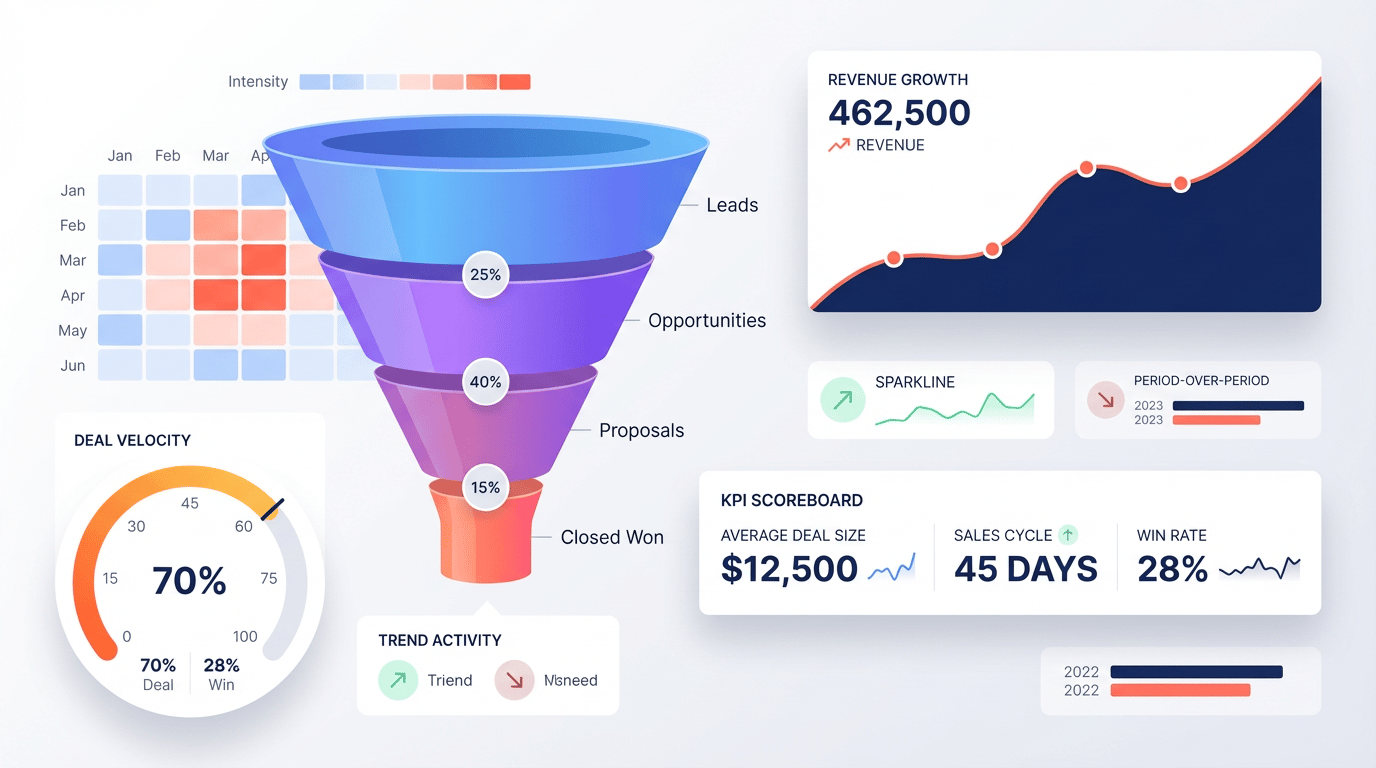
Sales force automation (SFA) supports the recording, sharing, and repeatable processing of sales work. Its purpose is to give teams usable information and reduce avoidable administration. Buying software does not automatically increase wins. Stages, data freshness, permissions, and ownership must be defined first.
SFA, CRM, and marketing automation overlap
CRM is not restricted to post-sale customers, and SFA is not simply everything before a sale. CRM covers relationships with prospects and customers; SFA supports and automates sales activities within that broader context. Marketing automation overlaps through lead records and handoffs. One product may contain several of these capabilities.
Concept | Main purpose | Typical capability examples | Selection question |
|---|---|---|---|
CRM | Manage prospect and customer relationships | Accounts, contacts, interactions, transactions | How are identity, history, and access handled? |
SFA | Support sales processes and recurring work | Opportunities, stages, activities, tasks, forecasts | Which workflows are available on the plan? |
Marketing automation | Operate ongoing marketing touchpoints | Messages, behavioral conditions, scoring, handoff | How are consent and sales fields synchronized? |
These are general examples, not a promise that every product includes every feature. Salesforce's SFA explanation describes the relationship with CRM. Evaluate specific operations rather than selecting solely by product label.
Follow one hypothetical opportunity
Start with one account ID, its contacts, interactions, and a separate opportunity ID for each potential transaction. Mixing accounts and opportunities in duplicate records makes ownership and revenue reporting unreliable.
Input | Possible processing | Output | Decision supported |
|---|---|---|---|
Account ID, contact, owner | Review duplicate candidates | Shared account/contact record | Avoid duplicate outreach |
Stage, update date, next action | Create a task when a condition is met | Action list | Progress the next conversation |
Amount, timing, evidence | Aggregate comparable opportunities | Stage-based pipeline view | Identify concentration and stalled work |
Loss reason and customer feedback | Classify and review | Improvement backlog | Revise targeting or proposals |
Automation and forecasting depend on product, plan, and configuration. Before activating a workflow, test its trigger, owner, duplicate behavior, and notification volume. Keep a manual procedure where automation is unavailable or inappropriate.
Define stages and required evidence
Labels such as “promising” mean different things to different people. Specify the evidence required to enter, advance, return, or close a stage. A completed discovery meeting might require an actual meeting date, documented problem, and agreed next conversation.
Do not force guesses about budget or authority into fields that appear factual. Distinguish confirmed, unknown, and assumed values. Review the last update and next action alongside stage counts. A full pipeline with stale records can be less useful than a smaller, current one.
HubSpot's lifecycle definitions distinguish sales-qualified leads from opportunities. Your company may choose different labels, but it still needs shared definitions. Use the inside sales handoff guide to specify acceptance and return conditions.
Check implementation requirements before selection
- Business problem: document whether the priority is missing updates, duplicate outreach, stalled deals, or reporting effort.
- Data: define account, contact, and opportunity IDs; required fields; duplicates; migration scope; retention.
- Permissions: test viewing, editing, exporting, administration, reassignment, and departure procedures.
- Integrations: verify field mappings, synchronization direction, failure recovery, deletion, and overwrite behavior.
- Migration and exit: trial a small import, reconcile records and history, and confirm exports and rollback.
- Operating cost: include licenses, configuration, training, integrations, support, and an accountable owner.
More fields are not automatically better. Begin with information needed for a real sales decision. Have the people doing the work register, update, and hand over an actual sample workflow before committing to a broader rollout.
Run a small pilot with acceptance tests
A hypothetical four-week pilot can test fields and permissions first, sample opportunities next, handoffs third, and reporting and revisions last. This is an operational example, not a guaranteed timetable for sales improvement.
Problem | Test | Acceptance condition | Owner |
|---|---|---|---|
Duplicate outreach | Record several representatives' activities under one account | Latest activity and owner are visible before contact | Sales and administrator |
Missing handoff information | Transfer an opportunity against required conditions | Acceptance and missing information are recorded | Inside sales and sales |
Stalled work | List updates and next actions | Owner and follow-up date are agreed | Sales manager |
Migration errors | Compare sample imports with original records | IDs, counts, amounts, and history reconcile | Administrator |
Record unresolved issues and temporary procedures. If implementation changes metric definitions, do not interpret before-and-after counts as directly comparable. Better record coverage is different from more business being won.
Connect sales information to marketing decisions
Review received leads, meaningful conversations, held meetings, accepted opportunities, and wins separately. Document numerator, denominator, period, deduplication, and owner in a shared sales KPI definition. Activity targets alone can hide poor qualification or customer experience.
Connect acquisition work with the marketing budget and initiative plan. Xtrategy's verified CRM role organizes companies, contacts, and transactions around project context. Review its feature list against your workflow, and separately verify any required sales forecasting or call-automation capabilities.