How to Create a White Paper: Outline, Production Checklist, and Lead Follow-Up
Shusaku Yosa
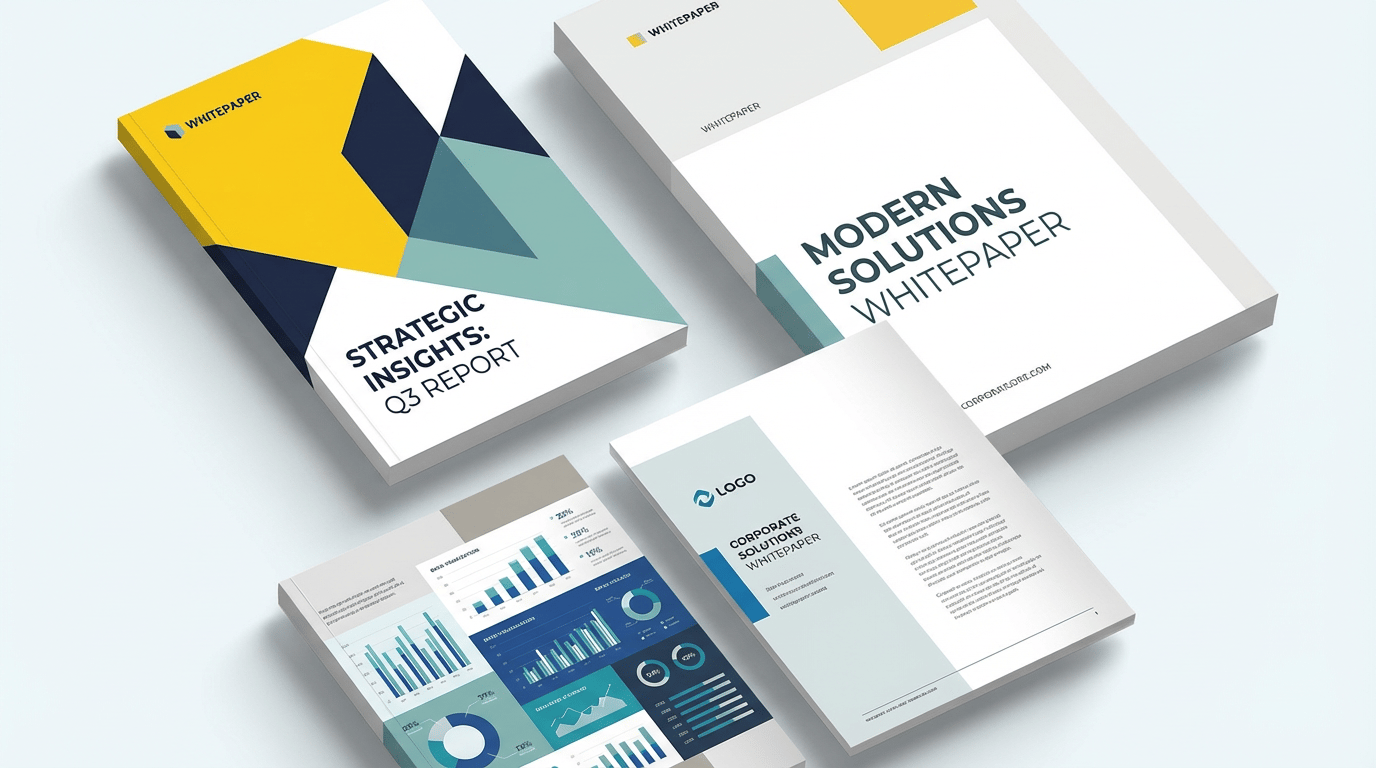
A white paper explains a focused problem with evidence, decision criteria and a practical approach. Start with who will read it and what decision it will help them make, rather than a page-count target. Plan delivery and follow-up alongside the document itself.
A product brochure primarily describes an offering. A useful white paper should still help the reader even if they are not ready to buy. Place a relevant product introduction after the information needed to understand or act on the problem.
Use a clear content brief
The following fictional brief concerns a monthly marketing-budget review.
Field | Example |
|---|---|
Reader | A department leader whose budget reviews have become time-consuming |
Reader outcome | Align cost and KPI definitions and establish a review routine |
Questions | What to collect, who verifies it and how to interpret variances |
Useful material | Definition sheet, worked example and monthly checklist |
Evidence | Verified procedures, explicit assumptions and primary references |
Next step | Try the process; review relevant features or request help if needed |
If you call the document an industry research report, provide the collection period, population, method and limitations. Do not present fictional figures or invented customer statements as research evidence.
Build an outline around the decision
- Intended audience, useful outcomes and exclusions.
- Common budget-review inconsistencies and terms to align.
- A worksheet connecting costs, campaigns and KPIs.
- A fictional monthly example with calculations and decisions.
- Operating procedures, ownership, deadlines and exceptions.
- A readiness checklist and relevant next-step resources.
Check that each section answers a real reader question. Remove filler and unsupported success stories. Add units, periods and notes to charts. Consider an accessible web version or summary as well as a downloadable document.
Separate production from validation
Stage | Work | Completion evidence |
|---|---|---|
Brief | Agree audience, problem and next step | Approved scope |
Outline | Map questions, sections and supporting material | Evidence for each major claim |
Draft | Explain procedures and examples | Fiction clearly distinguished from findings |
Expert review | Check formulas, specifications and conditions | Recorded resolution of comments |
Design | Establish reading order and clear visuals | Readable text and meaningful figure explanations |
Distribution test | Check file, links and forms | Successful delivery, error and repeat-access paths |
Assign an owner, version and next review date. If one person writes and reviews, use a separate structured review pass. Track where older versions are linked so readers do not keep receiving superseded guidance.
Choose gated or ungated distribution deliberately
Approach | Useful objective | Tradeoff |
|---|---|---|
Ungated | Broad access, sharing and buying support | No individual contact details from access alone |
Gated | Requested delivery and relevant follow-up | Form friction and contact-data responsibilities |
Public summary plus gated detail | Let readers assess relevance first | Keep both versions consistent |
Give each required form field a purpose. Distinguish information needed to deliver the resource from permission for ongoing promotional contact. Do not automatically treat every request as agreement to all future campaigns; align the workflow with applicable rules and the notice presented to the reader.
Do not place names or email addresses in analytics URLs or event parameters. Google’s Analytics guidance specifically addresses accidental personal-information transmission through URLs and user-entered data.
Define the lead handoff
A download signals interest, not a confirmed buying opportunity. Separate duplicates, tests, bots and unreachable records before deciding who should act.
State | Owner and next action |
|---|---|
Resource request | Deliver the resource and provide a failure-recovery path |
Explicit consultation request | Assign a sales owner and an agreed response deadline |
Early research | Offer related information only within appropriate permissions |
Existing customer or opportunity | Route to the existing owner to avoid duplicate outreach |
Opt-out or ineligible contact | Apply suppression rules |
Document the handoff criteria, owner, deadline and result field. This prevents both unassigned requests and several staff members contacting the same person independently.
Measure stages with explicit denominators
In a fictional example, 1,000 landing sessions produce 50 successful form events, 35 valid new contacts after deduplication and exclusions, and 5 qualified opportunities. Form events per session equal 5%; opportunities per valid new contact equal approximately 14.3%. Fifty events do not necessarily mean fifty people or fifty opportunities.
Keep the distribution method, period and treatment of existing customers consistent. Record access, successful submission, valid leads, opportunities and won business separately. If downstream tracking is missing, label it unmeasured rather than zero. Diagnose whether the problem lies in traffic intent, document usefulness, form friction or handoff before choosing the next revision.
Related practical guides
- CRM Integration for Marketing Campaigns: Field Mapping, Handoff, and Testing
- 10 CRM Campaign Examples: Segments, Triggers, Stop Rules, and Metrics
- Content Marketing KPIs: Goal-Based Measurement Beyond Page Views
- Content Marketing Costs and Budget: A Practical Cost Breakdown and Planning Template
- What Is a Landing Page? Definitions, Page Structure, and Measurement
Keep execution and budgets connected
Xtrategy supports project management, monthly budgets and actuals, and customer and deal records. Review its features to decide how your owners, costs and review dates fit the workflow, then get started.