What Is a D2C Brand? Representative Examples and Common Success Patterns
Shusaku Yosa
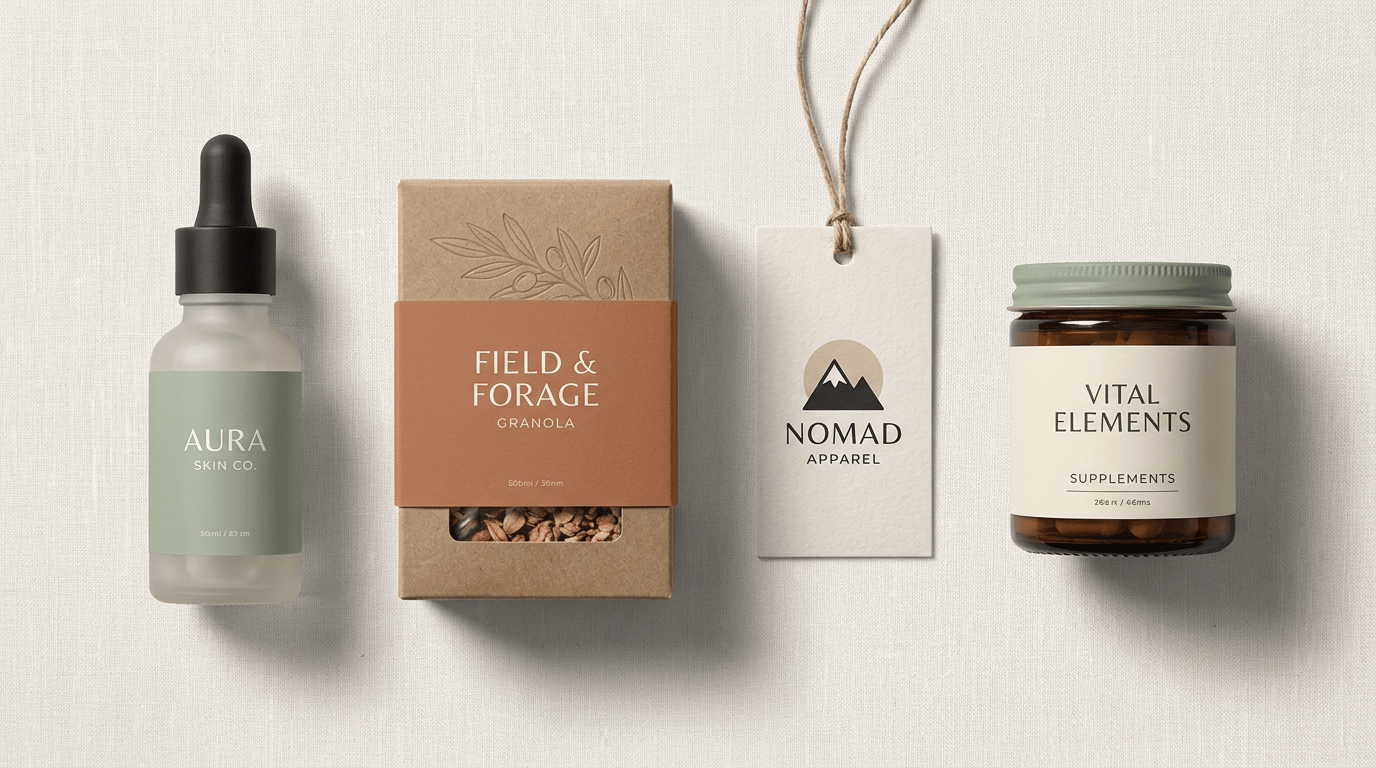
"I want to launch a D2C brand." "I want to know what successful cases have in common." The number of operators thinking this way grows every year. The D2C market keeps expanding, and in Japan it's projected to reach roughly 3 trillion yen in scale by 2026. This article organizes, from a practical standpoint, the basic meaning of a D2C brand, representative examples by industry, and the patterns common to successful brands.
What is a D2C brand?
D2C stands for "Direct to Consumer," a business model in which a company sells products it has planned and produced directly to consumers through its own EC site and similar channels, without going through intermediaries such as wholesalers and retailers. A brand that adopts this model is called a "D2C brand."
In the traditional wholesale/retail model, going through intermediaries created distance between the brand and the customer and made it easy to get caught in price competition. With D2C, by contrast, you can not only reduce intermediary costs but also convey the brand's worldview directly to customers and retain purchase data in-house to use for product development and marketing—major attractions. Its essence can be said to lie in "branding × maximizing customer touchpoints."
The background to D2C's rise
Behind D2C's spread are the expansion of the EC market and the proliferation of social media. As the internet and smartphones became pervasive, it became easier for companies to launch their own sites and reach consumers directly. Furthermore, with social media you can broadcast your worldview to your target at low cost and deepen relationships while hearing customers' voices directly.
D2C's greatest merit is that connecting directly with customers makes it easy to maximize LTV (customer lifetime value). In the traditional model, retailers held the customer touchpoints, but with D2C you can build in-house the mechanism to grow a customer from a "one-time buyer" into a "fan."
Representative D2C brand examples by industry
D2C is producing results across a wide range of industries, including apparel, cosmetics, and food. Let's look at representative examples by industry.
Apparel
- FABRIC TOKYO: provides made-to-order suits via D2C. It built a mechanism where, once you're measured at a store, the data is saved to the cloud and you can order online thereafter, achieving a high repeat rate.
- COHINA: an apparel brand targeting women 155 cm tall or shorter. It broadcasts coordinated outfits for shorter women on Instagram and won support through clear target setting.
- airCloset: one of Japan's largest fashion subscriptions, renting clothes on a monthly plan. With stylist suggestions and data utilization it achieves a high continuation rate, establishing a new "from owning to using" model.
Cosmetics
- BULK HOMME: a subscription-style brand for men's skincare. It used product images customers posted on social media as ad creative, generating high advertising effectiveness through user-perspective authenticity.
- MEDULLA: a service delivering made-to-order shampoo and treatment tailored to hair type. It provides an experience optimized for each individual through personalization.
Food and beverage
- Yona Yona Ale (Yo-Ho Brewing): a brand conveying the fun and depth of craft beer. It actively works on events and community-building that gather fans, forming a high-energy fan base.
Overseas, too, brands such as Warby Parker—known for letting customers try on glasses at home for five days and for UGC-driven spread—and allbirds, a lifestyle brand championing environmental consideration, have drawn attention as representative D2C success models.
What successful D2C brands have in common
Even when the industry and product differ, successful D2C brands show several common patterns.
- A clear brand worldview and story: the concept and story of "for whom, and why it was made" form the core of differentiation. Conveying a consistent message from product development through service, sales, and after-care earns customers' attachment.
- A clearly narrowed target: not for everyone, but designed to resonate deeply with a specific lifestyle or concern. Narrow, deep targeting creates a strong fan community.
- Use of social media and UGC: broadcasting on social media and natural spread through UGC (user-generated content) propel growth. The perspective of nurturing customers as brand ambassadors is common.
- Product and mechanism design that raises LTV: products with replenishment demand such as cosmetics and supplements, and subscriptions—designs that maintain continuous customer touchpoints—lead to maximizing LTV.
- Reflecting customer feedback quickly: starting from small-scale test sales and feedback, they run PDCA at high speed to improve products and services. This is a strength unique to D2C, where you connect directly.
- Providing high-quality customer experience (CX): designing consistent "hospitality" from site visit through purchase and after-care, they build long-term relationships with existing customers.
Challenges and cautions for D2C brands
On the other hand, D2C has challenges to overcome. Let's note the representative ones.
- Large upfront investment: investment is needed across a wide range—from product development and manufacturing to EC site construction and marketing.
- Product differentiation is hard: as entrants increase, you'll be buried unless you can put forward a distinctive USP (unique strength).
- There's a lot to do: concept design, building sales and acquisition channels, CS, logistics—the scope you handle from launch through operation is broad, and a lack of know-how or resources easily becomes a wall.
Conversely, D2C suits products that have a clear USP, allow profitable pricing, and can expect repeat purchases such as consumables or subscriptions. Determining whether your products meet these conditions is the starting point for the entry decision.
Summary
A D2C brand is a business model that, by selling directly to consumers without intermediaries, conveys the brand's worldview and maximizes customer touchpoints. What success cases like FABRIC TOKYO, BULK HOMME, and Yona Yona Ale have in common is a clear worldview and target setting, use of social media and UGC, mechanisms that raise LTV, speed in reflecting customer feedback, and a consistent customer experience. Concretely organizing how to translate these common points to your own products and customer base is the first step toward bringing a D2C brand closer to success.