What Is OMO Marketing? Real-World Examples in Retail and Service Industries
Shusaku Yosa
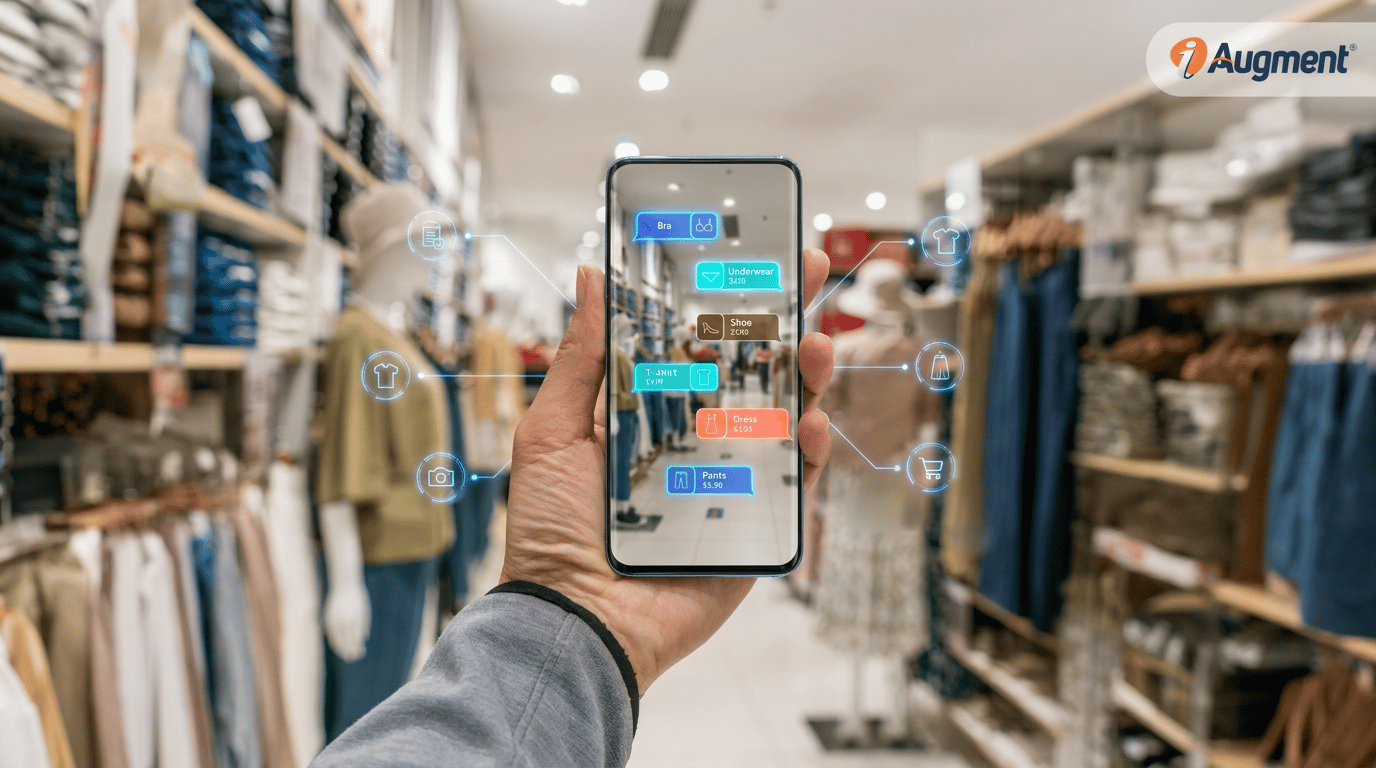
"See it in store, then buy it online" or "find it online, then try it in store and buy"—with a smartphone in hand, moving back and forth across multiple channels has become second nature for today's consumers. The way of thinking that responds to this change is OMO marketing. In this article, we organize the meaning of OMO marketing, why it is drawing attention, how it differs from the easily confused O2O and omnichannel, and concrete real-world examples in retail and service industries along with key points for adoption—all from a practical standpoint.
What Is OMO Marketing?
OMO stands for "Online Merges with Offline," a way of thinking that removes the boundary between online (EC, apps, etc.) and offline (physical stores, etc.) and fuses them to maximize the customer experience. OMO marketing refers to marketing methods based on this idea that provide a consistent purchasing experience without making customers conscious of the difference between channels.
In traditional business, online channels such as EC and offline channels such as physical stores were treated as separate, with independent measures taken for each. But now that shopping while checking reviews and stock on a smartphone has become the norm, separating the two no longer matches consumer needs. OMO is the idea of overcoming this divide and redesigning customer behavior as a single, integrated customer journey.
The Background Behind OMO Marketing's Rise
OMO is a concept that originally spread mainly in China and the United States. Behind it lie technological developments such as the digitization enabled by the spread of the internet, the penetration of mobile payments, advances in sensor technology, and automation through AI and robotics. These overlapped to create an environment where the same experience as offline can be had online.
In Japan, the turning point came when the COVID-19 pandemic strengthened consumers' tendency to seek contactless information gathering and purchasing, and the number of companies tackling OMO increased. As everyone carries a smartphone and the EC market keeps expanding, we have entered an era in which the question is not "online or offline" but "how to provide the optimal experience for the customer."
How It Differs from O2O and Omnichannel
To understand OMO, it helps to grasp how it differs from the easily confused "O2O" and "omnichannel." All of them use online channels, but "what they put at the center" differs.
- O2O (Online to Offline): A method that uses online information (social media, email newsletters, coupons, etc.) as a trigger to drive customers to physical stores. It is one-directional, "online → offline," and the leading role is ultimately the physical store.
- Omnichannel: A method that links all sales channels—store, EC, app, social media, call center—and integrates customer touchpoints. What sits at the center is "the sales channels themselves," making it more of a company-side concept.
- OMO (Online Merges with Offline): Removes the very distinction between online and offline, premised on bidirectional data integration. What sits at the center is the "customer experience," and there is no relationship of which is primary and which is secondary.
Simply put, while O2O is a "tactical method for driving traffic" and omnichannel is a "mechanism for organizing channels," OMO is a "design philosophy for customer experience that transcends channels." It becomes easier to organize if you think of OMO as a way of thinking that steps further into customer experience on top of the foundation of omnichannel.
The Benefits of OMO Marketing
Tackling OMO has benefits for both customers and companies.
- Improved customer experience (UX): Because customers can smoothly handle purchasing, information gathering, and post-purchase follow-up without being conscious of channels, customer satisfaction rises.
- Reduced opportunity loss: Cases such as "out of stock in the store, so order via EC on the spot" or "check nearby store stock via EC" prevent the drop-offs that used to occur due to the walls between channels.
- Data-driven personalization: When EC behavioral logs and in-store POS data are linked under a single ID, you can grasp "what this customer browsed on EC and what they bought in store," enabling more precise proposals.
- Operational efficiency: Centralized inventory management and the use of cashless payment also lead to more efficient store operations and the easing of labor shortages.
Real-World Examples of OMO in Retail
Retail is one of the areas where OMO has advanced the furthest. Let us look at representative measures.
- Click & try / order-and-try-on: In apparel, services have spread that let customers try on items ordered in advance via EC at the store, and even try and purchase stock from other stores or online-exclusive products. It is a mechanism that removes the constraint of "you can only try what is in the store."
- Store pickup / reservation: Customers can flexibly choose their pickup method—receiving items ordered via EC at a nearby store, or, when a desired item is out of stock in store, ordering it via EC on the spot for home delivery.
- Shared points / shared coupons: Design things so customers can earn and use points under the same ID whether on EC or in physical stores, so they suffer no disadvantage no matter where they buy. By integrating purchase data, you can deliver the optimal coupon to each individual.
- In-store experiences using an app: Connect the store and digital by letting customers scan with the app in-store to check detailed product information and reviews, or sending push notifications that encourage app members to visit.
Real-World Examples of OMO in Service Industries
OMO is effective not only in product retail but also in service industries with many customer touchpoints. Let us look at examples by industry.
- Food & takeout: Complete ordering and payment in advance via app or web, and simply pick up at the store. While eliminating wait times, you can deliver personalized coupons based on order history.
- Restaurants & reservation services: Link online reservations and mobile ordering with the in-store experience, grasping the customer from before they arrive to serve them smoothly. You can also run measures that encourage repeat visits based on visit history.
- Fitness & beauty: Manage training records and reservations in an app, and combine in-store lessons with online advice—designing a continuous experience that moves back and forth between online and offline.
- Healthcare: Cases are increasing that combine online consultations with in-store and home-visit services, seamlessly connecting examination, prescription, and follow-up.
Key Points When Adopting OMO
OMO requires large digital investment and is prone to failure if not designed carefully. Let us organize the key points for making adoption a success.
- Design from the customer experience as the starting point: Work backward not from "which technology to introduce" but from "what experience the customer wants." Things tend to fail when tool adoption becomes the goal.
- Build the data foundation: A mechanism that can integrate EC and store data by customer ID is the foundation of OMO. Use CRM, member apps, ID-POS, and the like to connect fragmented data.
- Proceed across departments: OMO does not function if the EC and store departments remain siloed. You need to revisit evaluation metrics and revenue attribution and build a structure that puts the customer at the center as an organization.
- Begin with a small start: Rather than aiming for a company-wide rollout from the start, verify with a subset of stores or measures and expand after confirming the effect, which keeps investment risk down.
- Care for personal data and security: Because you centrally manage customer data across multiple channels, you need to build an especially careful structure for handling personal information and managing security.
Conclusion
OMO marketing is a way of thinking that removes the boundary between online and offline and provides a consistent experience without making customers conscious of channels. Unlike O2O, which drives traffic from online to stores, or omnichannel, which organizes channels, its defining feature is integrating data bidirectionally with the customer experience at the center. From click & try and store pickup in retail to linking advance ordering and online reservations with the in-store experience in service industries, real-world examples are spreading regardless of industry. When adopting it, working backward from the customer experience rather than from tools, building the data foundation, and starting small across departments are the keys to success.